

The Health Benefits of Having Pets
Health Benefits of having pets:
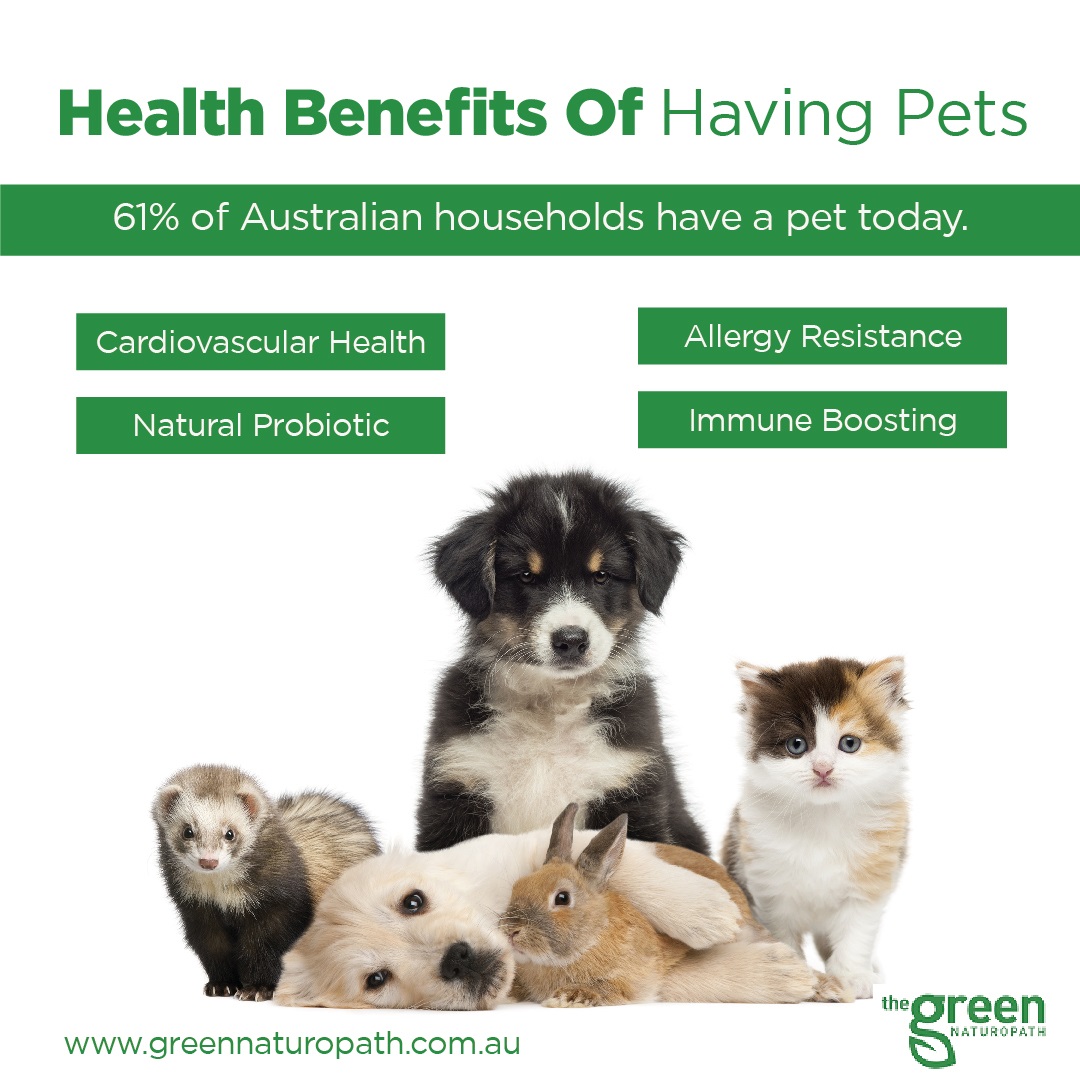
Cardiovascular health
According to research, people having a dog pet had a 24% decrease in cardiovascular problems. Dog owners are 31% less likely to die from heart attack and other heart-related diseases.
Another study claims that having dogs had better outcomes (prognosis) after they suffered from a major cardiovascular event. These benefits were even higher for individuals who were living alone with the dogs.
The risk of stroke is also reducible among individuals to 27% after having a pet dog.
Other than dogs, cats are equally helpful for human health. As per the scientific study results for over 10 years, cat owners have a 30% less risk of suffering from heart diseases. The reason behind it can be less anxiety and stress in cat owners.
Allergy resistance:
In the year 2002, a research study showed that cats are more helpful for preventing allergy development in newborn children. People always say that if your family members have an issue with allergies, you should avoid pets. Children are more likely to develop certain allergies as a result of physical interaction with pets.
But now, researchers are inclining more towards the positive health effects of pets. Several studies suggest that children who grew up in households with furred animals, whether cats or dogs, were less prone to developing allergies.
Asthma is the most abundant disease among children who are prone to allergies. These studies carried out their research by analyzing the blood samples of kids after one year of their birth who had a pet in their homes.
The result samples showed that these kids had 19-33% fewer chances of pet allergies. Other allergies as itching, irritation, patches, common allergies, and eczema were also low in incidence.
Additionally, these kids had an increase in ceratin immunity chemicals. All these factors were predictive of the activation of a stronger immune system.
Immunity:
Dogs are well known for their human love and loyalty. It is surprising to tell you that dogs can provide more than loyalty. Dogs aren’t as dirty as you might think due to our hygiene hypothesis.
According to University of Arizona research, bacteria in the mouth/saliva of dogs can boost the immune system and overall human health. Due to a close physical relationship with the pets, these bacteria can spread to your hands, clothes, objects, and other surfaces; so, it is more natural for you to pick them up. These bacteria gain entry into your body when you try to kiss, pat, and clean your pet or when the pets lick your body. These friendly bacteria become the friendly microbes found in the household.
Earlier detection of cancer:
Dogs are inevitable for the military services to detect the threat situations with their smelling ability. Some of these canine animals can also help individuals to divert their attention towards their health. Dog owners are claiming that their dogs helped them notice their problem by pawning or licking the area of the skin.
Companionship:
Most of the time, autistic kids are not easy to interact with other human fellows. In such cases, pets can help them have a sense of companionship or friendship. Pets can make people of all ages comfortable and safe. Other than autism, children with learning difficulties can also benefit from pets.Bird pets as parrots are more likely to provide a human-like feel due to their talking ability. You can train your parrots to communicate verbally with you, which can lessen the isolation and boredom. Elderly people who are more likely to stay inside their homes can interact with their pets. Most of the time, people think of pets as their offsprings. It can help them reduce their stress levels and depression. Sense of companionship and love increases the production of serotonin and reduces the cortisol hormone. Cortisol is a stress hormone that in turn produces detrimental effects on body organs. A strong feeling of companionship and love can help prevent several physical and psychological problems.
References:
1. https://www.cdc.gov/healthypets/health-benefits/index.html
2. https://link.springer.com/article/10.1023/A:1006892908532
3. https://psycnet.apa.org/record/2010-13306-009?doi=1
4. https://www.taylorfrancis.com/chapters/edit/10.4324/9781315784656-14/health-benefits-pets-families-erika-friedmann-sue-thomas
5. https://www.sciencedirect.com/science/article/pii/S0277953605000535
6. http://www.medicalnewstoday.com/articles/98432.php
7. https://web.archive.org/web/20021004100013/http://www.nih.gov/news/pr/aug2002/niaid-27.htm