
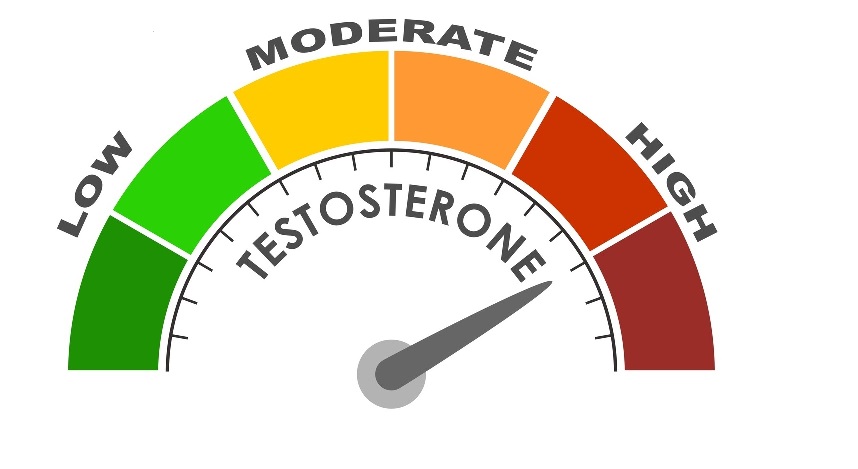
How to lower testosterone levels naturally
However, there’s an upper threshold limit of testosterone levels which depends on your age. In this article, we’re exploring the most important ways to lower testosterone or DHT levels if they are too high.
Why would you want to lower your testosterone levels?
Testosterone effects are positive when blood levels are healthy for your age. Otherwise, an upsurge of this hormone may lead to insulin resistance, cardiovascular disease, type 2 diabetes, benign prostatic hyperplasia, and prostate cancer.
Of course, it takes time to develop these chronic diseases. In the process, you can also experience uncomfortable problems such as acne, baldness, mood swings, and stronger body odors. For all of these reasons, and to treat some of these conditions, you may want to check your testosterone levels and consider with your doctor anti-androgen treatment.
Supplements and foods to lower blood levels of testosterone
As you will see in this list, some foods and supplements decrease testosterone levels. Others keep your testosterone but reduce DHT levels, which is usually behind the problems listed above.
These plants and supplements reduce testosterone levels. Some of them are more recommended in women because they raise estrogen levels:
- Licorice (Glycyrrhiza glabra): People also call it sweet root due to its flavor. It is famous for liver problems and the common cold. It contains many phytoestrogens and reduces testosterone levels. Besides lowering testosterone levels, it contains anti-androgen substances such as glycyrrhetic acid and glycyrrhizin.
- White peony (Paeonia lactiflora): This is an ornamental plant, and besides having beautiful flowers, it has a substance called paeoniflorin, which inhibits testosterone production. Additionally, it increases the activity of an enzyme called aromatase, which converts testosterone into estrogen.
- Spearmint (Mentha spicata): Spearmint tea is not only refreshing and stimulating. It is also a prospect of anti-androgen therapy. It reduces testosterone levels and gonadotropins in patients with the polycystic ovarian syndrome. Studies are conflicting, but it is apparently helpful to lower free testosterone levels in the blood.
- Chaste tree (Vitex agnus castus): It is also known as chasteberry, a Mediterranean berry with the potential to balance hormone problems. It reduces prolactin levels in women and men, estrogen levels in females, and testosterone levels in men. Besides lowering testosterone levels, it may also reduce sperm production.
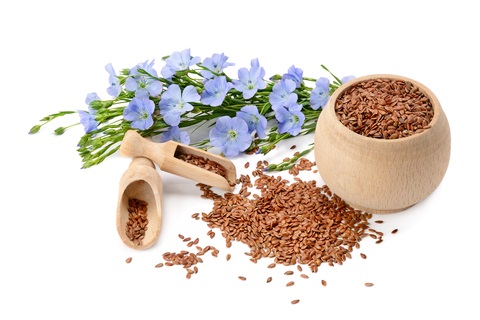
- Flaxseed (Linum usitatissimum): Besides having significantly high levels of dietary fiber and healthy fats, these seeds contain lignans that bind testosterone and contribute to eliminating the excess. It has been tested in men with prostate cancer and females with polycystic ovary syndrome with promising results.
In contrast, we can also use these options to reduce DHT levels:
- Reishi (Ganoderma lucidum): This mushroom is known as red reishi, LungZhi, or simply Ganoderma fungus. Among its benefits, it inhibits the enzyme 5-alpha reductase, which converts testosterone into DHT. With a lower concentration of DHT, we can avoid many consequences of high testosterone levels, especially baldness, acne, and benign prostatic hypertrophy.
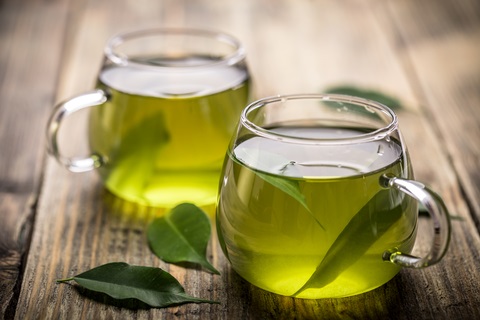
- Green tea (Camellia sinensis): This is a popular drink with many cardiovascular benefits. It also has an anti-androgen effect by inhibiting the enzyme that converts testosterone into DHT. It is widely available and popular in beverages and supplement form.
- Saw palmetto (Serenoa repens): This herb is also a popular anti-androgen due to various phytosterols. It treats androgenic alopecia and moderate benign prostatic hyperplasia. The evidence is still conflicting, but many authors have found a very promising effect in patients with various conditions triggered by high DHT levels.