
Phytonutrients and herbs in breast cancer prevention
After considering the exposure of the topic in the media, I wondered about the role of phytonutrients in cancer prevention and decided to write this article. Are phytonutrients and phytoestrogens good or bad for women? What supplements and herbs are appropriate for you? You will find the answers below.
Basics of breast cancer prevention
Awareness campaigns every October usually cover the basics of breast cancer prevention. According to the American Cancer Society, they include the following:
- Staying at a healthy weight, especially after menopause
- Being physically active and getting regular exercise
- Limiting alcohol intake to a maximum of 1 drink a day or avoiding alcohol altogether
- Breastfeeding your child after giving birth
- Talking to your doctor about non-hormonal alternatives to treat menopause symptoms
If you’re a woman with an increased risk of breast cancer, the recommendations include:
- Monitoring to detect early signs of tumor in your breasts. Doctor visits and screenings should be done every 6-12 months, depending on your risk.
- Genetic counseling if breast cancer is recurrent in your family
- Medications such as tamoxifen, raloxifene, and aromatase inhibitors. They are used in different settings to reduce the risk of breast cancer and only under medical supervision.
- Preventative surgery to remove breast tissue if the risk is very high.
Phytonutrients and phytoestrogens: are they good or bad?
But is there any role of natural medicine in the prevention and treatment of breast cancer?
The American Cancer Society states that high consumption of vegetables, fruits, and other fresh foods may have a role in preventing breast cancer. Vitamins and minerals can be the reason, but it is more likely due to the abundant phytonutrients in plants. They are classified into a vast number of substances, each with distinct roles in the human body.
Many phytonutrients have been found beneficial against breast cancer. For example, epigallocatechin gallate (EGCG) in green tea is known to suppress tumor growth. Quercetin and kaempferol in vegetables inhibit cancer proliferation. Curcumin in turmeric reduces metastasis. But is there any word about phytoestrogens?
One of the recommendations by the American Cancer Society is to look for alternatives to estrogen therapy. Estrogen is known to stimulate breast cancer growth, and that’s why women usually avoid phytoestrogens in fear of breast cancer. But the relationship between phytoestrogens and cancer is a bit more complex. Think about this:
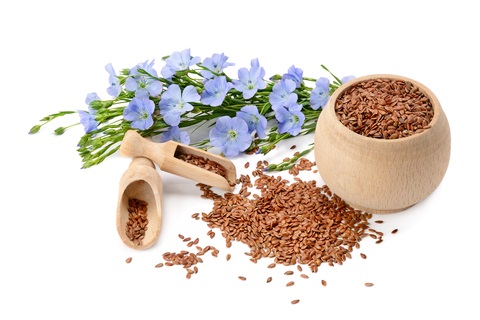
- Studies show that lignans, a phytoestrogen found in flaxseed and fruits, reduce breast cancer cell proliferation and slow tumor growth.
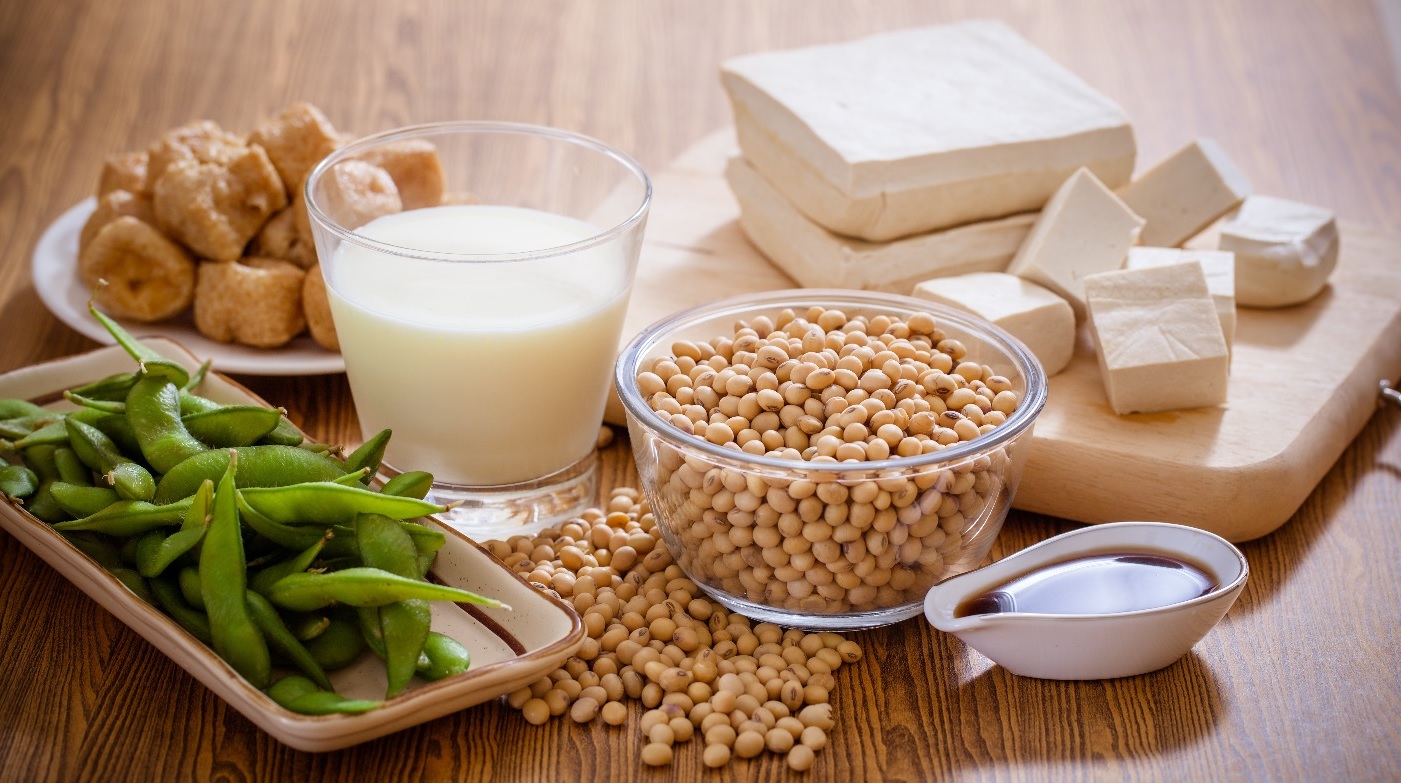
- Greater intake of phytoestrogens in soy during childhood reduces the risk of breast cancer and may have a protective effect.
- Soy isoflavones may reduce the rate of cancer recurrence in postmenopausal breast cancer patients.
Thus, phytoestrogens can be beneficial depending on what type you’re consuming and when. You’re more likely to receive a protective effect from phytoestrogens if you consume them daily from a young age. Additionally, make sure that you’re not consuming highly processed soy and other sources of processed phytoestrogens. It is more recommended to consume fresh preparations such as tempeh, tofu, and edamame.
If you have breast cancer or recently recovered from the disease, we recommend asking your doctor if phytoestrogens are appropriate for you. Studies suggest that phytoestrogens can activate HER-2-positive breast cancer tumors, and it is not a good idea to consume them in these cases.
Recommended herbs and alternative treatment for breast cancer
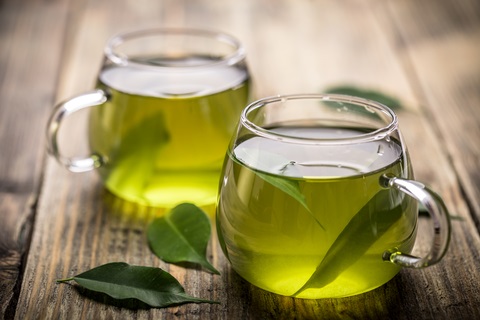
- Green tea: EGCG in green tea increases apoptosis in breast cancer cells and suppresses tumor growth.
- Kale and broccoli: They are excellent sources of kaempferol, a phytochemical that inhibits proliferation at high doses.
- Quercetin: It is found in onions, chili peppers, fennel leaves, or you can find it in supplement form. It triggers cell death in breast cancer cell lines.
- Turmeric: It has curcumin as the main component, which reduces metastasis in cancer cells.
- Blueberry: Extracts of blueberry contain phytonutrients that increase apoptosis and inhibit proliferation in breast cancer.
- Mangifera zeylanica: The bark of this plant from Sri Lanka has flavonoids and polyphenols with a cytotoxic effect on breast cancer cells. It has chemopreventive and chemotherapeutic properties against an aggressive type known as triple-negative breast cancer.
- Panax ginseng: It contains a long list of phytonutrients known as ginsenosides. One of them, ginsenoside CK has been found to inhibit breast cancer metastasis
- Ganoderma lucidum: It is a popular fungus with many health properties. It reduces the number of stem cells in breast cancer and inhibit the invasive ability of cancer cells.
- Angelica sinensis: It contains various polysaccharides that trigger apoptosis in cancer cells. It is useful in Chinese medicine to treat a variety of gynecological cancers.
Of course, there are good options out there, and nature always has a solution. All you need to do is understanding where to look for alternatives and use them according to what you really need.
Read more about the benefits of phytonutrients and soy isoflavones for women here.
Check out: Female Balance Herbal Tonic